
Caliber Stamford ConcreteCaliber Stamford Concrete(475) 333-3026

Concrete contractor in Norwalk, CT - driveways and patios that drain right

Caliber Stamford Concrete is a concrete contractor based in Stamford that builds driveways, patios, steps, walks and foundations for homes and properties in Norwalk, CT, starting with the base under the slab so it sits flat.

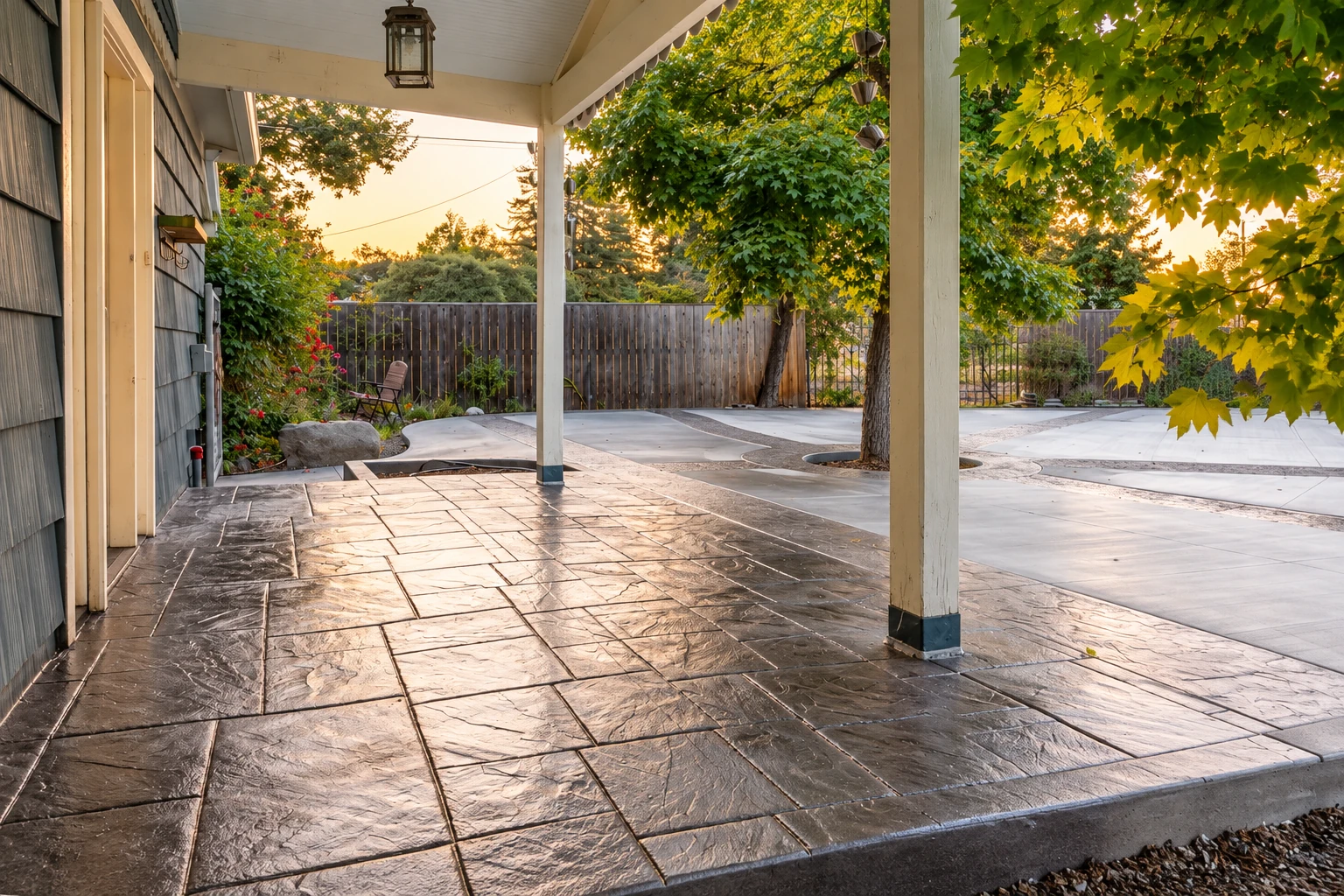
Covered patio with a dark stamped-concrete floor beside a smooth concrete slab, garden, and wooden fence at sunset.

Norwalk, from the shoreline on the Sound to inland streets

Norwalk runs from its eastern shoreline on Long Island Sound back into inland neighborhoods, with houses, driveways, patios and front steps on most streets and commercial lots in between. We're based in Stamford and work in the cities around it, in Connecticut and across the line in Westchester, including White Plains, NY, so a Norwalk job gets the same crew and the same way of working.

Shore or inland, the job turns on the ground under the slab and where the water goes. An old driveway usually tells us how it was built once we break it up, so I look hard at what's there before I price what goes back.

Concrete work we do for Norwalk homes and properties

In Norwalk we do the full list, from flatwork, the driveways, patios, walks and floors that lie on the ground, to steps, walls, footings and foundations. Every job starts the same way. I come out, look at where the water runs and what's under the old slab, and plan the job around what I find. My crew does the work, and I'm on site for the steps that matter most, like the base and the pour.

  • Concrete driveway building

    Driveways here take cars daily, and a cracked or sunken one usually sat on a thin base. We dig out, pack a new base and pour a slab built for the weight.

    Explore service
  • Concrete patio construction

    A patio that holds water or tips toward the house is a common call. We set the slope away from your foundation before the pour, then finish it for chairs and bare feet.

    Explore service
  • Stamped concrete services

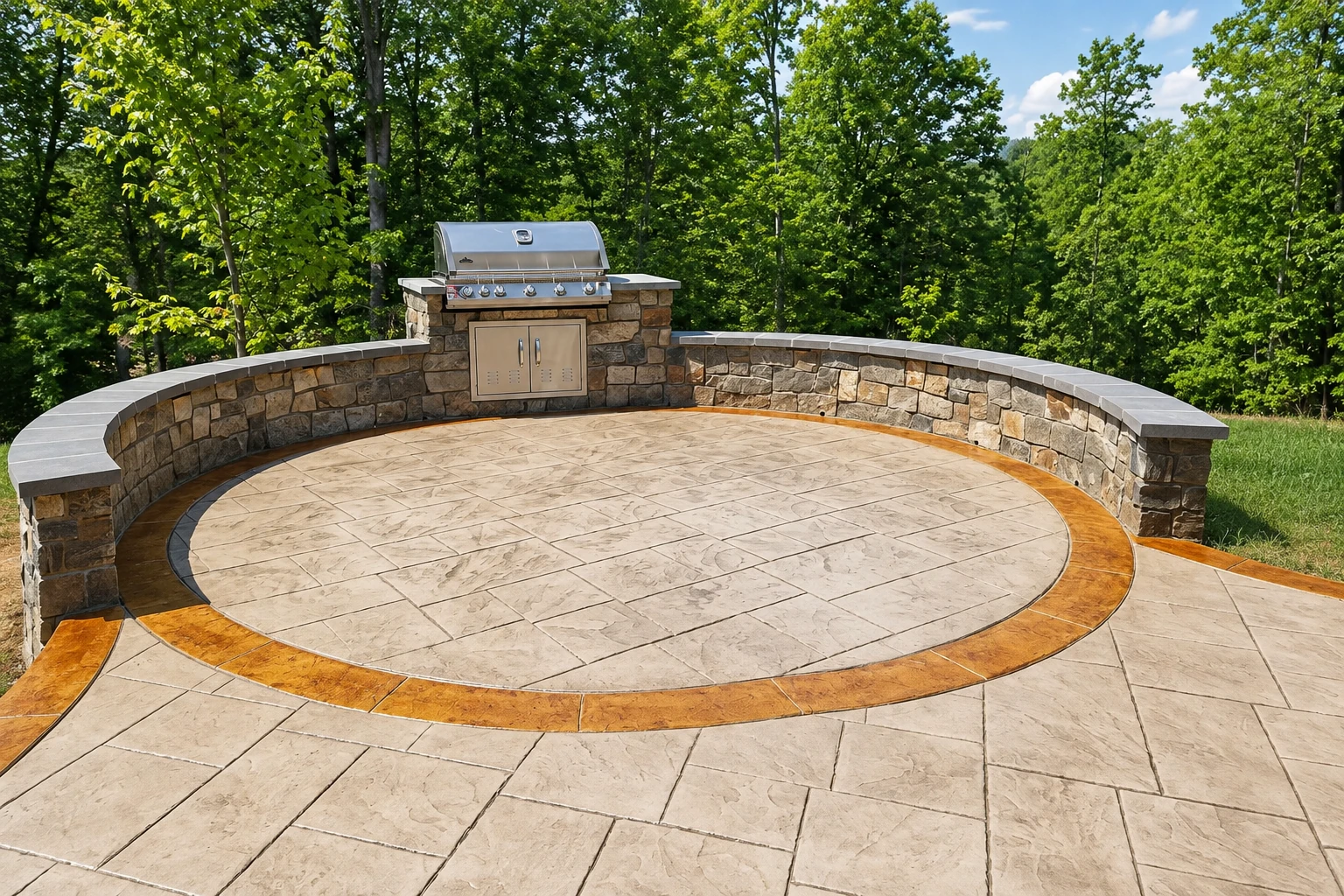
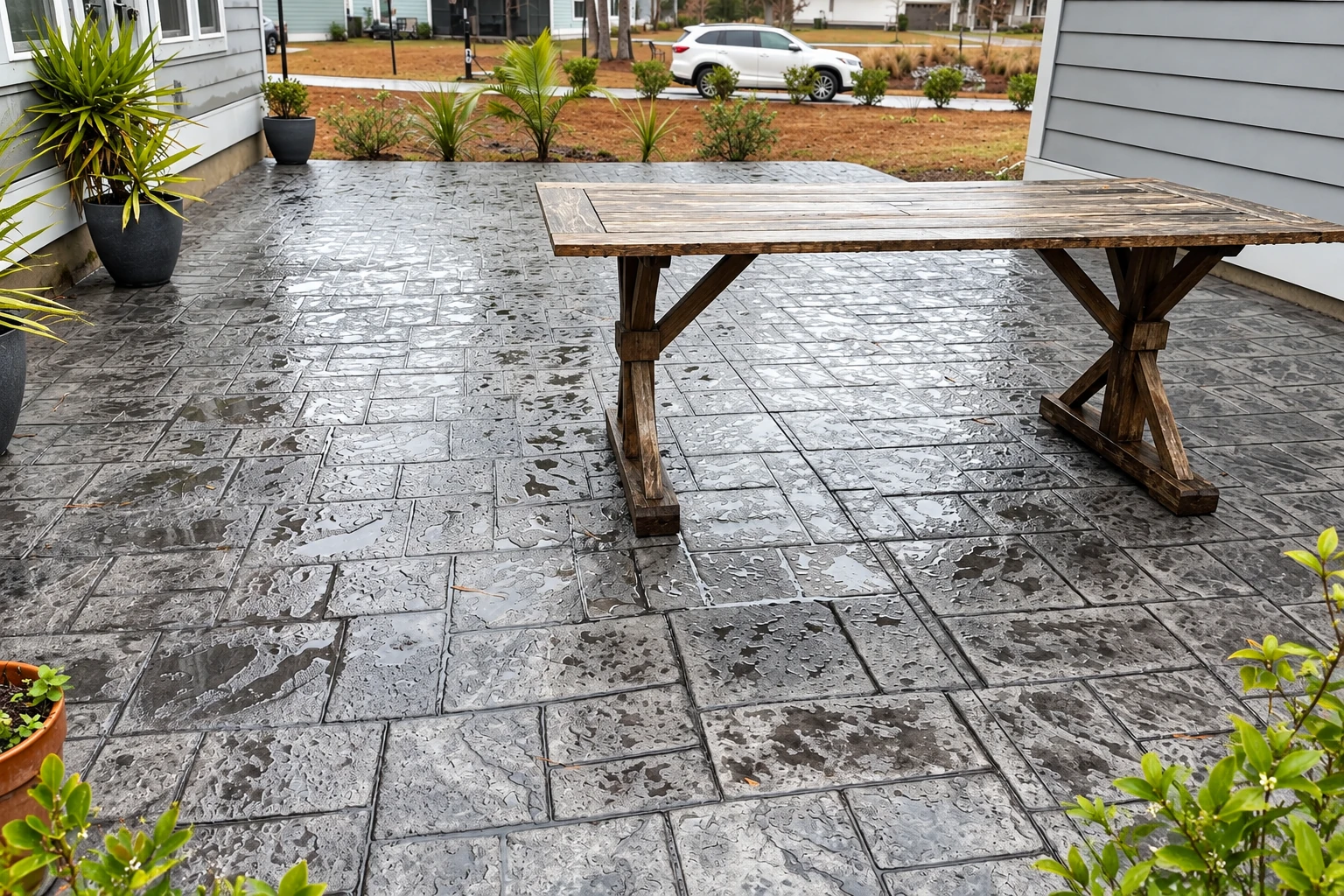
    Stamped concrete gives a patio or walk the look of stone without laying each piece. We press the pattern while the slab is soft, but the base under it decides how long it lasts.

    Explore service
  • Concrete sidewalk building

    Front walks start tripping people when roots or a thin base push the slabs out of line. We pull the bad sections, rebuild the base and pour with a broom finish for grip.

    Explore service
  • Garage floor concrete

    Garage floors crack and dust up when the slab was poured thin or on loose fill. We dig out, pack the base and pour a floor thick enough for cars, storage and a workbench.

    Explore service
  • Decorative concrete

    Decorative concrete adds color, borders or a textured finish to patios, walks and entries. We pick the finish with you at the estimate and build the base like any other slab.

    Explore service
  • Concrete retaining walls

    Sloped yards push soil toward patios and driveways, and a leaning wall usually lacked drainage behind it. We build concrete walls on proper footings with a way for water to get out.

    Explore service
  • Concrete floor installation

    Basements, sheds and workshops need a floor that stays flat and level under what you store on it. We prepare the subgrade, the ground the slab sits on, then pour and finish the floor.

    Explore service
  • Concrete pool decks

    Pool decks stay wet, so a slick finish or a deck draining toward the pool causes trouble. We slope the deck away from the water and give it a textured finish for bare feet.

    Explore service
  • Concrete steps construction

    Front steps that tilt or pull away from the house usually sat on footings that were too shallow. We tear out the old set, pour new footings and build each step the same height.

    Explore service
  • Slab foundation building

    Garages, additions and sheds often sit on a slab foundation, one pour that's both floor and base. We dig to firm ground, pack the base and set the steel before the truck shows up.

    Explore service
  • Foundation installation

    An addition or new house needs footings and walls that carry the building, so the layout has to be exact. We work from your plans to form, pour and strip the walls.

    Explore service
  • Concrete parking lot building

    Property managers call when a lot has cracked panels, standing water or edges breaking off under traffic. We fix the drainage and base first, then pour sections thick enough for what drives on it.

    Explore service
  • Concrete footings

    Decks, porches, walls and additions all stand on footings, the concrete below ground that spreads the weight. We dig to firm soil, check the depth and pour before anything goes on top.

    Explore service
  • Foundation raising

    A settling foundation shows up as cracked walls, sticking doors or sloping floors. We find out why it moved before we quote a fix, because lifting it alone just buys time.

    Explore service
  • Concrete cutting

    Running a drain line, widening a doorway or fixing a joint often means cutting existing concrete, not tearing it out. We saw-cut clean, straight lines and pick up the slurry as we go.

    Explore service

Working in Norwalk: permits, papers and what sets the price

Two things decide how a Norwalk job goes before we pour anything. One is the city's building office, and the other is what's under your old slab and what you want on top.

Who issues the permit and what it means

In Norwalk, the Building Code Enforcement Department issues building permits and the trade permits that go with them, does the required inspections and checks work against the Connecticut State Building Code. Whether your job needs a permit is the department's call, so before we start I check and tell you what it wants.

If a permit is needed, we handle the application with you, and if the office hasn't answered yet, I tell you that too. Building permits are by appointment only, and trade permit applications are taken weekday mornings from 8:30 to 10:30, so the permit can set your start date. For a residential permit, the contractor brings a copy of their license and their workers' comp or insurance certificate.

  • Ask any contractor for those papers before you sign anything.
  • Some permits also need sign-off from Zoning, Health or Conservation.
  • The city does the required inspections, so we plan around its visits.

What moves the price and the schedule

The price moves with size, thickness and how much digging the base needs. Tearing out an old slab, steel in the slab, extra steps or walls and a stamped or colored finish all add to it. A plain broom finish on easy ground keeps it down. I see most of it on the estimate visit, and your own number comes from there.

The schedule turns on the permit, if there is one, and then on curing, the wait while the concrete gains strength before it takes weight. You'll walk on it well before you drive on it. Digging out can also turn up soft ground or old fill, and fixing that adds time but beats pouring over it.

  • A patio or walk is usually quicker than steps or a foundation.
  • Tell me early if a truck can't reach the spot from the street.
  • Compare bids line by line, base and thickness first, not just the totals.

Get a free on-site estimate for your Norwalk concrete job

Tell us what you've got and we'll reply within one business day to set a time. I come out to Norwalk myself, walk the job, measure and send you a written estimate that shows what's in it. It's free, and there's no obligation to book.

(475) 333-3026

What we see on Norwalk driveways, patios and steps

Most calls start with something you can see from the driveway. Here's what we usually find on houses around here and what's usually behind it.

  • Driveways sinking at the edges

    When a driveway drops along the sides or by the garage, the base was usually raked flat over dirt instead of dug out and packed. The concrete just followed the dirt down. Patching the top won't stop that, so we start with what's underneath.

  • Patios that puddle or tilt inward

    A patio that holds puddles or sheds water toward the back door usually went in without anyone checking where the water runs. That water ends up against your foundation. We check the fall of the yard before the forms go in, so the new slab is set to drain away from the house.

  • Broken where it meets the street

    The end of a driveway, where it meets the street, takes the hardest hits from turning tires and delivery trucks. If it's broken there and sound further up, we can often saw-cut out that section and replace it instead of redoing the whole drive.

  • Steps pulling away from the house

    Front steps that lean out or open a gap at the door usually sit on footings that were too shallow or too small. They move a little more each year. We replace the footings with the steps, because new steps on old footings just move again.

  • Backyards the truck can't reach

    Plenty of patios and pads sit where a concrete truck can't reach, behind the house or past a narrow side yard. That changes how we get concrete there, by pump or by wheelbarrow, and it shows up in the estimate. I check access on the first visit.

How we run a concrete job in Norwalk

I started this business in 2017 after years in landscaping, where the patios and walks were my favorite part. Here's how we run a job, so you know what you're getting before you call.

The base gets the money first

A nice-looking slab on a bad base is just an expensive crack waiting to happen. The base is the part nobody sees on day one, which is why it's the first thing cut when a budget gets tight. We dig out to firm ground and pack the base in layers, because concrete is only as flat as what it sits on.

So if something has to give, I'll tell you to cut the fancy finish, not the base. A plain broom finish on a good base usually outlasts a stamped pattern on a bad one. Concrete is patient, and it'll wait years to show you what got skipped. I'd rather spend an extra hour on prep and tell you up front where a crack might show than explain it later.

  • I write every estimate myself

    I come out to every job myself, walk it, measure and write the estimate. So the person pricing your job is the one who answers for it. My crew does the work, and I'm on site for the steps that matter most.

  • Licensed and fully insured

    We're licensed and fully insured for the work we do on your property. That matters most on the bigger jobs, like foundations, footings and retaining walls, where a mistake costs more than the concrete did.

  • Open evenings and weekends

    You can reach us Monday through Friday from 7 AM to 10 PM, and Saturday and Sunday from 6 AM to 11 PM. That means you can call after work, or on a weekend while you're standing over the cracked slab.

  • Satisfaction guaranteed, earned the dull way

    Our promise is satisfaction guaranteed, and we earn it the dull way. We do the prep right, keep the site tidy and walk the finished job with you before we leave. To get started, call (475) 333-3026 or use the form on this page.

Norwalk concrete and permit questions, answered plainly

These are the questions we hear before a Norwalk pour. Where the city sets a rule or a fee, the answer comes from the city, and the rest comes from the job.

How much does a residential building permit cost in Norwalk, CT?

The city's residential permit procedure sheet sets the fee at $18.00 for each thousand dollars of construction cost or part of a thousand, with a $100.00 minimum and a $25.00 certificate of occupancy fee. Condo complexes are charged a commercial rate of $20.00 and need a letter from the condo association. The sheet isn't dated, so check current amounts with the city at 203-854-3200 before you budget.

Does a concrete pad for a new AC condenser need zoning approval in Norwalk?

The condenser does. The city requires a Zoning Permit approval for the location of any new or replacement exterior equipment, including air conditioning condensers, above-ground LP tanks and exterior oil tanks. Get the spot approved before we pour the pad, because moving a slab later costs more than waiting.

How do I check a Norwalk home for open permits?

Submit the city building department's Request Form, the same form used to get a Certificate of Occupancy or Compliance. It's worth doing before you buy a house or start a bigger job like a foundation, so you know what's on record.

Do I need Health approval for an addition foundation in Norwalk if I have a septic or well?

Yes. For additions, alterations and new construction, the city requires Health approval when the home has septic or well, even if the work doesn't touch them. If we're pouring footings or a foundation for an addition on one of those properties, plan on that sign-off as part of the permit.

Will my new concrete driveway in Norwalk crack like the old one?

It may crack, because concrete does, but it shouldn't crack like the old one. Most random cracks come from a base that settled or from control joints, the cut grooves that give a crack a straight place to go, that were cut late or skipped. We pack the base and cut the joints on time, so any crack usually lands where we chose.

What causes a concrete patio surface to flake or turn dusty?

Usually a pour in midday heat or a finish worked too early, which leaves a weak top layer. It looks fine at first and then starts to chip and dust off. We time the pour and the finishing so the surface sets up right, then keep you off it until it's ready.

Service areas

We work in Stamford and the cities around it, and the ones listed below each have their own page. If yours isn't there, call (475) 333-3026 or use the form and ask.

Ask about your location
(475) 333-3026Get an estimate